
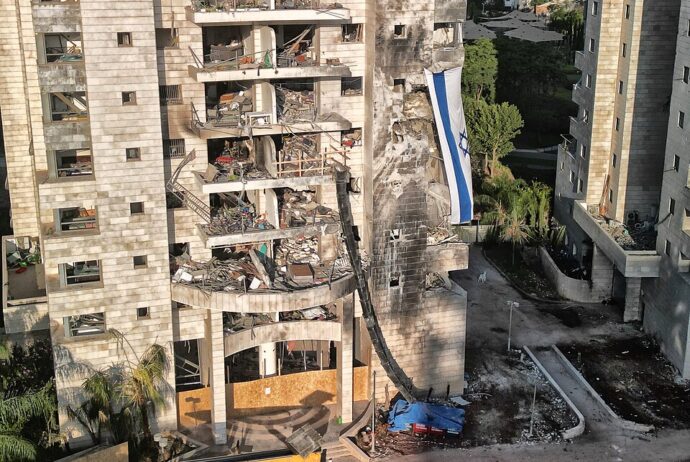
What are landlords and tenants expected to insure? What happens if your property is damaged by a missile strike or the windows are broken when a rocket falls nearby?
Insurance is one of those subjects that rarely comes up in a rental relationship, until something goes wrong. A burst pipe floods the apartment below, a winter rain storm damages the roof, a guest slips on a wet floor, or a thief breaks in during Chag. At that moment, the question of who is insured for what suddenly becomes very expensive.
In Israel, the division of insurance responsibility between landlord and tenant is fairly well established by custom, though it is not always spelled out clearly in lease agreements. As a property management company, one of responsibilities is to make sure that gap is closed so that our clients hold the right structural policies for their properties, and tenants understand exactly what they are obligated to cover themselves.
Here is what we think every landlord and tenant in Israel should know.
The Two Types of Home Insurance in Israel
Most standard Israeli home insurance policies bundle protection against fire, water damage, natural disasters, earthquakes, burglary, third-party liability, and employers’ liability for domestic help. Home insurance policies in Israel generally come in two parts, and understanding the distinction is the foundation of the whole conversation.
Structure Insurance (Bituach Mivneh)
This covers the physical shell of the property – the walls, flooring, plumbing, electrical systems, fixed installations, and anything built into the apartment. If a pipe bursts inside the wall, a fire damages the kitchen cabinetry, or an earthquake cracks the structure, this is the policy that you need to claim against.
Contents Insurance (Bituach Tchulah)
This covers the movable items inside the apartment – furniture, electronics, clothing, jewelry, household goods, and personal belongings. It typically also includes third-party liability cover, which protects the policyholder if they accidentally cause damage to a neighbor’s property (such as a flood caused by negligence) or if a visitor is injured on the premises.
Who is Responsible for What?
The standard division in the Israeli rental market is straightforward in principle:
- The landlord is responsible for insuring the structure of the apartment. This protects the landlord’s own asset. This is a legal requirement if you have a mortgage on the property.
- The tenant is responsible for insuring their own contents, and for carrying third-party liability cover. This protects the tenant’s belongings, and also protects them financially if they deliberately cause damage to the landlord’s apartment, to a neighbor, or to a visitor.
- However, this division is not automatic. It only becomes binding when it is written into the lease, and this is where many landlord-tenant disputes in Israel begin. A lease that is silent on responsibilities for insurance leaves both sides exposed and uncertain.
Is Insurance Legally Required?
Strictly speaking, only landlords with a mortgage are legally required to carry structural insurance. The bank holding the mortgage will insist on it as a condition of the loan. Mortgage-free owners and tenants are not required by law to hold any insurance policy.
But “not legally required” is very different from “not necessary.” A single water-damage incident affecting a downstairs neighbor can cost the owner tens of thousands of shekels. Replacing the contents of a burgled apartment can be financially devastating for a tenant. Liability claims arising from an injured guest can be ruinous. For the cost of a few hundred shekels a year, a combined contents and third-party liability policy is a worthwhile investment in your peace of mind.
At Creative Estates, we always advise our property owner clients to require tenants to hold such a policy as a condition of the lease, and we make this requirement explicit in the rental contract.
Damage Caused by Acts Of War
This is an important point that surprises many newcomers to Israel and that bears repeating in the current security climate: standard home insurance policies in Israel typically exclude damage caused by acts of war or hostile action. Missile strikes, rocket damage and related incidents fall outside the cover of even comprehensive insurance policies.
Instead, compensation for this kind of damage is administered by the State of Israel through the Property Tax Compensation Fund (Keren Mas Rechush), operated by the Israel Tax Authority. The Fund covers the cost of repairing structural damage to apartments, houses, and businesses, and the process is separate from any private insurance claim. Tenants and landlords alike should be aware of this distinction and know how to claim money from the Fund if the need ever arises.
How we Protect our Property Owner Clients
One of the many valuable services that Creative Estates provides is organizing insurance for our clients, so that they don’t have to worry about insurance policies or claims. For every property under our management, we:
- Arrange a suitable structural insurance policy on the landlord’s behalf, working with established Israeli insurance agents who understand the local market and building conditions.
- Review the coverage annually to make sure the sum insured still reflects the value of the property and that the policy terms remain appropriate as the building ages.
- Confirm that water damage, plumbing failure, and other high-frequency Israeli risks are properly covered. These are the claims we see most often, and policies vary widely on deductibles and exclusions.
- Handle the claim process if something goes wrong, liaising directly with the insurer, contractors and tenants, so the landlord does not have to worry about it.
How We Protect Tenants and Each Other
Every tenancy rental agreement that we draft includes a clear, unambiguous clause requiring the tenant to obtain contents and third-party liability insurance for the duration of their lease. We walk new tenants through what this means in practical terms before they sign.
By making this clear, we protect everyone. The tenant is not left exposed to a catastrophic liability claim. The property owner is not caught up in arguments with a tenant over who will pay for water damage to the apartment below. Every property management relationship should be built on clarity so that liabilities are crystal-clear on both sides.
If you own a property in Israel and would like to ensure that it is properly insured, that your tenants understand their obligations, and that someone is keeping track of the details year after year, contact Shaun Isaacson today.