
How can Israeli property-owners protect their properties against the risk of fire, and whose responsibility is this in a landlord-tenant situation? Alon Davidow, Creative Estates’ Customer Relationship Manager, shares his experience and advice.
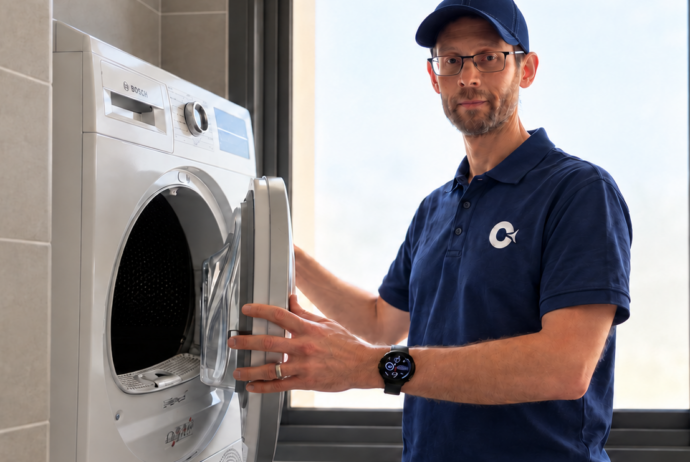
Recently, during routine maintenance of a holiday home, I discovered that the plug of the clothes dryer was burnt out because the screws holding the wires in place had come loose. Luckily it had not caught fire, but it was connected to the electricity supply and could have caused extensive damage to the property.
Understanding the Risks
Homes in Israel are usually constructed from concrete, which gives home-owners a real advantage because the walls, floors and ceilings don’t burn. However, that can create a false sense of security. Most home fires start with the contents – the furniture, electric wiring, faulty appliances or textiles – and in a concrete building the heat and smoke stay trapped inside. It is actually the smoke, not the flames, that causes most fire deaths and fire damage in Israeli domestic fires.
Mitigating the Risks
Faulty household electrical appliances are the leading cause of fires investigated by Israel’s Fire and Rescue Authority. Overloading and short circuits are common in older buildings which were not wired to run high-voltage systems, such as water boilers and air-conditioners. Reliable electricians will check the load at the electric board and advise whether the wiring is sufficiently robust for modern appliances.
It is important to carry out routine maintenance to minimize the risks of fire, particularly in holiday homes that are left empty for weeks or months at a time. We recommend checking and maintaining all the appliances, inspecting the plugs for signs of deterioration, and ensuring that the electrical wiring system is not overloaded or connected through multi-plug adapters. Ideally all unused appliances should be unplugged whenever a property is empty. It is a good idea to regularly service the air-conditioning system to prevent dust build-up, and maintain all constantly-running systems, such as garden irrigation and swimming pool filters.
Gas appliances and unsafe winter heating systems can also cause fires. It is important to install and check smoke alarms, and ensure that all gas appliances in your property are regularly inspected by licensed gas technicians.
Tenant behavior is more difficult to monitor. Dangerous situations to look out for include too many devices connected to multi-plug adapters, Shabbat candles situated near curtains, heaters in bedrooms, and lithium battery chargers for electric bikes and scooters.
Insurance Policies
As explained in our article “Insurance for Rental Properties in Israel – Who Covers What?”, there are two types of property insurance in Israel. Structure insurance is usually taken out by the landlord, and contents insurance is the responsibility of the tenant. It is important to check that this is specified in the lease because, if there is a fire, both parties may need to make a claim to cover the costs of repairs and replacement.
At Creative Estates, we always advise our clients to include a condition in their lease requiring their tenants to hold a contents insurance policy. This requires them to arrange for an assessor to visit the property to catalog and value all the items covered. It is also a good idea to take photos of the property showing the furniture and fittings in each room, along with a detailed inventory, which can be extremely helpful if there’s ever a need to make a claim.
Lessons We Can Learn
Discovering a burnt-out plug reminded me to make sure to check every electrical appliance in my own home, as well as in the properties that we manage. Fire safety professionals advise us all to unplug appliances whenever they are not in use, particularly chargers. We can all benefit from such reminders, to do all that we can to keep our homes, our loved ones and our tenants as safe as possible.